Revamp Your Vehicle With Premium Auto Tint and Wraps Solutions
Modifying a vehicle with premium auto tint and wraps can substantially boost its appearance and performance. These treatments blend style and protection, fulfilling individual tastes and needs. From blocking UV rays to improving temperature regulation, the benefits stand out. However, choosing the appropriate options and installation techniques can be challenging. Understanding the various aspects of auto tint and wraps is crucial for making an informed decision. What should be taken into account next?
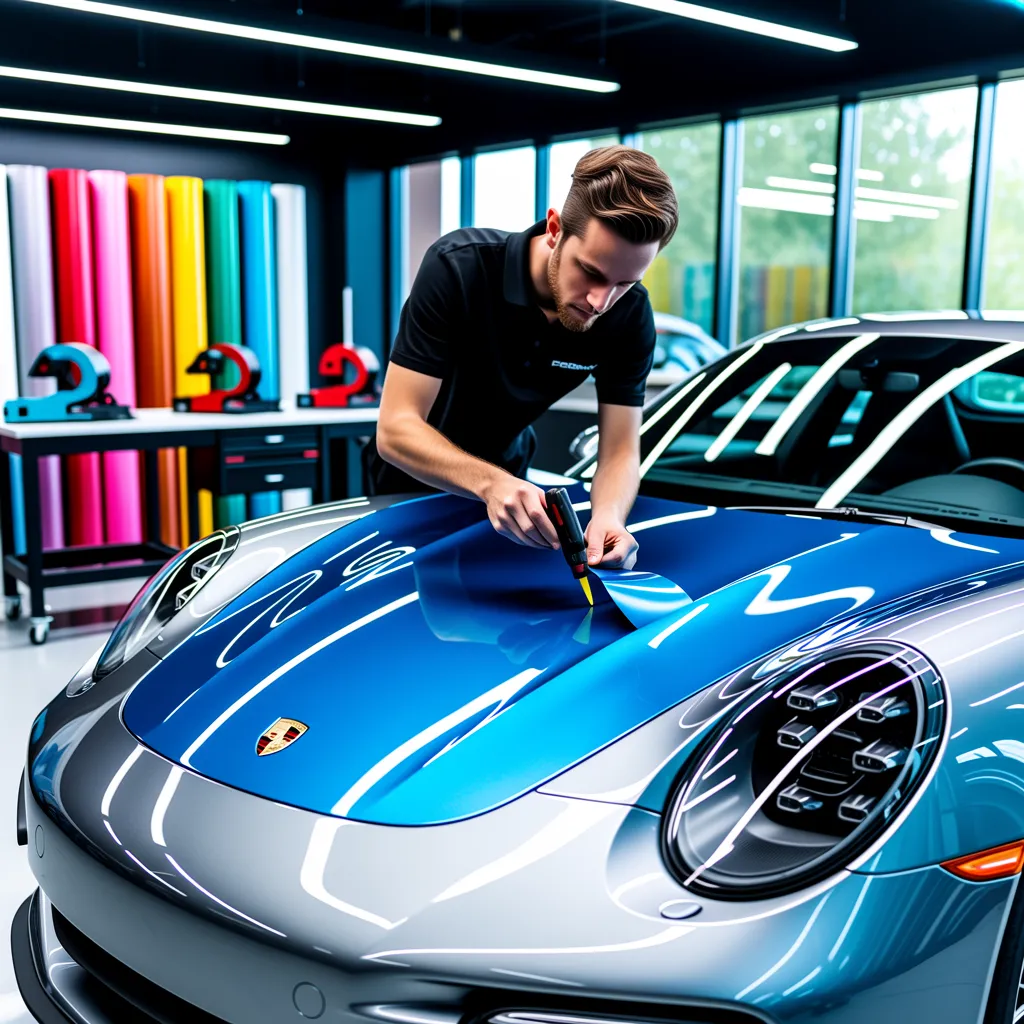
The Advantages of Top-Tier Auto Tint and Wraps
Quality auto tint and wraps strengthen both the aesthetic and functional features of vehicles. These processes provide a sleek appearance, allowing vehicle owners to convey their distinctiveness while upholding a polished look. Additionally, premium auto tint acts as a protective cover against adverse UV rays, curtailing interior fading and protecting passengers from sun exposure. It can also help adjust vehicle temperature, fostering overall comfort.
Moreover, superior wraps give a layer of protection against scratches and minor abrasions, protecting the vehicle's original paint. This can be especially beneficial for those aiming to keep resale value. In addition, wraps can be conveniently detached or changed, delivering flexibility for those who desire to update their vehicle's appearance without a permanent commitment. Overall, premium auto tint and wraps unite style with useful benefits, making them a smart investment for any vehicle owner.
Types of Auto Wraps to Think About for Your Vehicle
When evaluating vehicle enhancements, auto wraps come in various types, each offering unique benefits and aesthetic options. One popular choice is the full wrap, which covers the entire vehicle, allowing for a complete transformation in color and design. This option can greatly alter the vehicle's appearance while also delivering protection against scratches and UV damage.
Partial wraps function as one more choice, targeting certain regions such as the hood, roof, or doors. This choice is excellent for those wanting to make a impression without dominating the original paint job.
For businesses, custom graphics wrappings showcasing logos and branding can enhance exposure and market services successfully. Additionally, premium wraps, such as matte, gloss, and metallic finishes, deliver distinctive textures and visual appeal. Each applicable information type of auto wrap fulfills various purposes, making it essential to examine specific preferences and automobile needs when selecting the optimal solution.
How to Pick the Right Auto Tint for Your Vehicle
Understanding the proper window tint involves knowing the various types available and ensuring compliance with legal regulations. Varying tint materials and shades can affect aesthetics, cooling efficiency, and privacy. Knowledge of area regulations is vital to avoid potential fines and verify the chosen shade aligns with vehicle requirements.
A In-Depth Overview of Types of Tint
Choosing the right auto tint can significantly improve both the aesthetics and performance of a car. Multiple tint options are available, each offering unique benefits. Dyed window film is economical and provides privacy while blocking UV rays. Metalized tints bounce back heat and enhance durability, making them ideal for climates with intense sunlight. Ceramic window films, though pricier, deliver superior heat rejection and clarity without interfering with electronic devices. Furthermore, hybrid tints blend elements from both dyed and metalized films for a balanced option. When picking a tint, one should consider factors such as heat rejection, visibility, and personal style preferences. Ultimately, the ideal tint type can transform a vehicle's appearance while delivering essential protection.
Legal Tint Policies
Understanding tint regulations is essential for anyone exploring auto tint installation. Each state has specific statutes establishing the acceptable level of tint darkness, regularly measured by Visible Light Transmission (VLT) percentages. For example, numerous states permit darker tints on rear windows while constraining front-side and windshield tints to lighter tones. Moreover, regulations may vary according to vehicle model, incorporating exclusions for particular commercial vehicles. It is important for vehicle owners to research their state's laws to avoid fines and guarantee adherence. Consulting with a professional tint service can supply insight and help in determining the suitable tint that satisfies both visual preferences and legal requirements. Respecting to these regulations will enhance both the vehicle's look and security.
Would You Rather have Professional Installation or Manage DIY Tasks?
When evaluating whether to opt for expert application or a do-it-yourself approach for auto tint and wraps, the determination depends on multiple critical elements. Professional installation often guarantees a perfect finish, using skilled technicians versed in the nuances of different material types. This knowledge reduces risks stemming from misalignment, bubbles, and damage to the vehicle. Additionally, many professionals supply protection plans, delivering reassurance against conceivable imperfections.
Conversely, hands-on hobbyists may choose for financial savings and the fulfillment of accomplishing a project independently. However, this approach necessitates a substantial time commitment of hours and exertion, coupled with a learning curve for sound practices. Mistakes can lead to expensive redo work or even damage, potentially undermining initial financial benefits.
Ultimately, individuals should assess their skill level, budget, and desired outcome, weighing the advantages of professional assurance against the appeal of a hands-on project. Each option offers unique advantages customized for varying tastes and situations.
Guidelines for Caring for Your Auto Tint and Wraps
Care of auto tint and wraps remains essential to sustain their appearance and longevity, as oversight can cause early fading and peeling away. Periodic maintenance involves soft washing with a pH-balanced soap and a tender microfiber towel to prevent scratches. It is important to bypass abrasive cleaners and tools that could hurt the surface.
Moreover, vehicle proprietors should permit the tint or wrap to set completely, typically for about a week, before putting it to extreme weather conditions. Keeping your car in shaded areas or using a car cover can safeguard the finish from UV rays and environmental contaminants.
In addition, it's ideal to ensure surfaces are absent of waxes or sealants, as these can impede the tint's grip. Finally, thorough checks for any indications of lifting or damage will help mitigate problems early, ensuring the vehicle remains in superior shape.
How to Locate Reliable Tint and Wrap Providers in Your Area
How can one find trustworthy tint and wrap services nearby? Individuals searching for trusted services should start by doing online research. Search engines can provide a list of local businesses with customer reviews, ratings, and service details. Social media platforms and community forums also function as helpful tools, where users post personal experiences and recommendations.
In addition, asking friends, family, or colleagues for leads can point you to reputable providers. Going to community auto centers can reveal knowledge about specialized tint and wrap services, as plenty of shops engage with such specialists.
Once potential candidates are identified, it is wise to check their credentials and portfolio, ensuring quality and expertise. Comparing estimates and warranties can also help in making an informed decision. Ultimately, thorough research and individual referrals are key to finding reputable tint and wrap services that will enhance a vehicle's appearance and functionality.
Regularly Questioned Topics
How extended is the Installation Process typically?
The installation process generally takes roughly two to five hours, based on the vehicle size and intricacy of the tint or wrap. Elements such as preparation and curing period can also influence the total timeframe.
Will Auto Tint Affect My Vehicle's Coverage?
Auto tinting usually does not cancel a car's protection, as long as it is professionally applied and satisfies manufacturer guidelines. However, it's wise to look at specific warranty terms to ensure coverage stays valid.
Is It Possible to Peel Off Decals Without Harming the Paint?
Wraps can generally be removed without harming the paint if applied correctly. However, factors such as the age of the wrap and paint condition may influence the outcome, so caution is always advisable during removal.
Can I Legally Use Dark Tint in My Area, or Are There Restrictions?
Tint depth legal limitations fluctuate by region. Individuals need to review local ordinances or regulations to ensure compliance. Breaking these guidelines may cause fines or the need for removal.
How can I tell if my tint provides UV protection?
To figure out if tint is UV-protective, one can examine product specifications for UV levels, contact the installer, or identify tags indicating UV-absorbing qualities. Checking with a UV reader can also give proof.